Onfleet Alternatives: 7 Best Delivery Management Software Options in 2026
Choosing the right delivery management platform can have a major impact on how efficiently a logistics team plans routes, manages drivers, tracks deliveries, and captures proof of delivery.
Onfleet is a well-known delivery management platform, but it may not be the right fit for every business.
Depending on your fleet size, delivery workflow, budget, integrations, and operational requirements, you may want to explore other options.
In this guide, we'll look at some of the leading Onfleet alternatives and what each platform is best suited for.
What Is Onfleet?
Onfleet is a last-mile delivery management platform designed to help businesses manage delivery operations, including dispatching, route optimization, driver tracking, customer communication, and proof of delivery.
However, businesses evaluating delivery software should look beyond individual features and consider the complete operational workflow.
Important factors include:
- Route planning and optimization
- Driver management
- Real-time delivery tracking
- Proof of delivery
- Vehicle management
- Depot operations
- Order management
- Customer notifications
- Integrations
- Reporting and analytics
- Scalability
Why Look for an Onfleet Alternative?
Businesses may consider alternatives for several reasons.
Different operational requirements
A delivery company may need features or workflows that aren't available in its preferred platform.
Pricing considerations
Growing businesses often compare multiple platforms to find a solution that fits their operational budget.
Fleet and depot requirements
Businesses operating multiple depots or larger fleets may require more specialized operational workflows.
Integrations
Your delivery platform may need to connect with existing ERP, CRM, warehouse, or order-management systems.
Proof of delivery
Some businesses prioritize digital signatures, delivery photos, GPS verification, and other POD capabilities.
7 Onfleet Alternatives to Consider
1. DropProof
Best for: Businesses looking for an integrated delivery management platform.
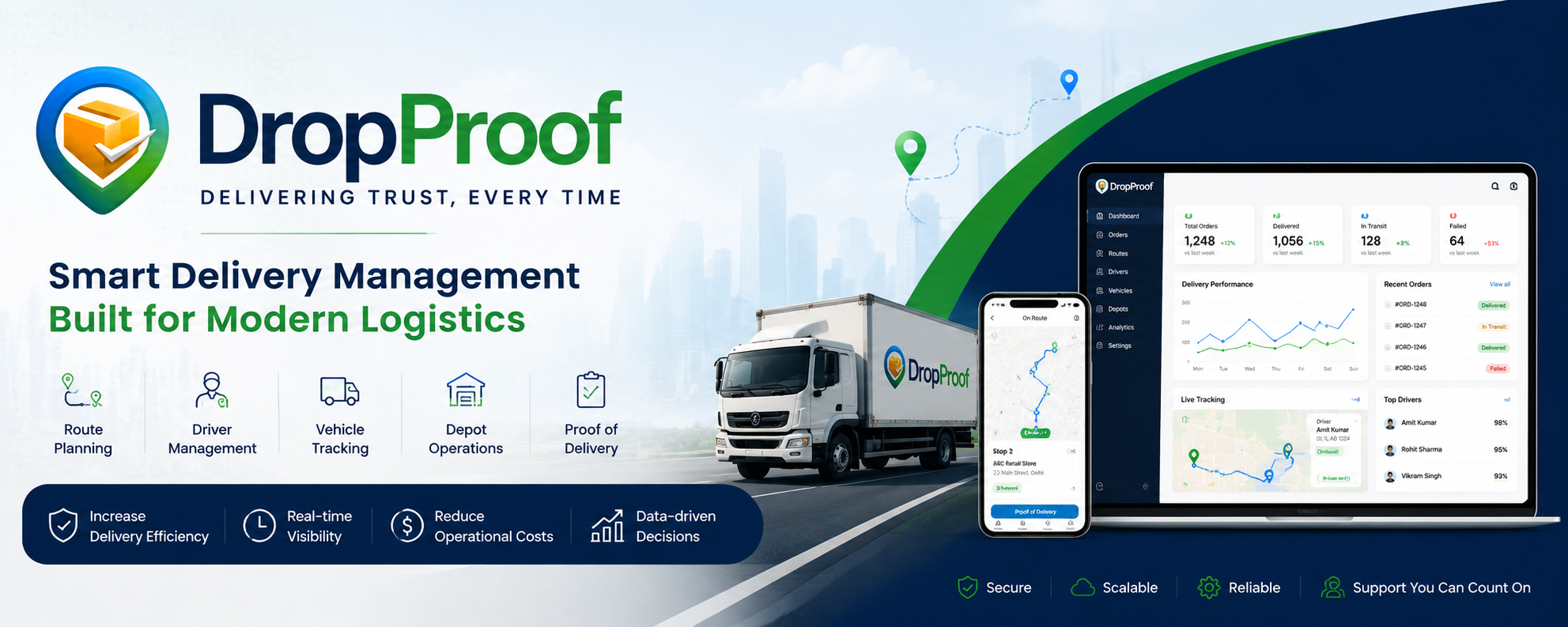
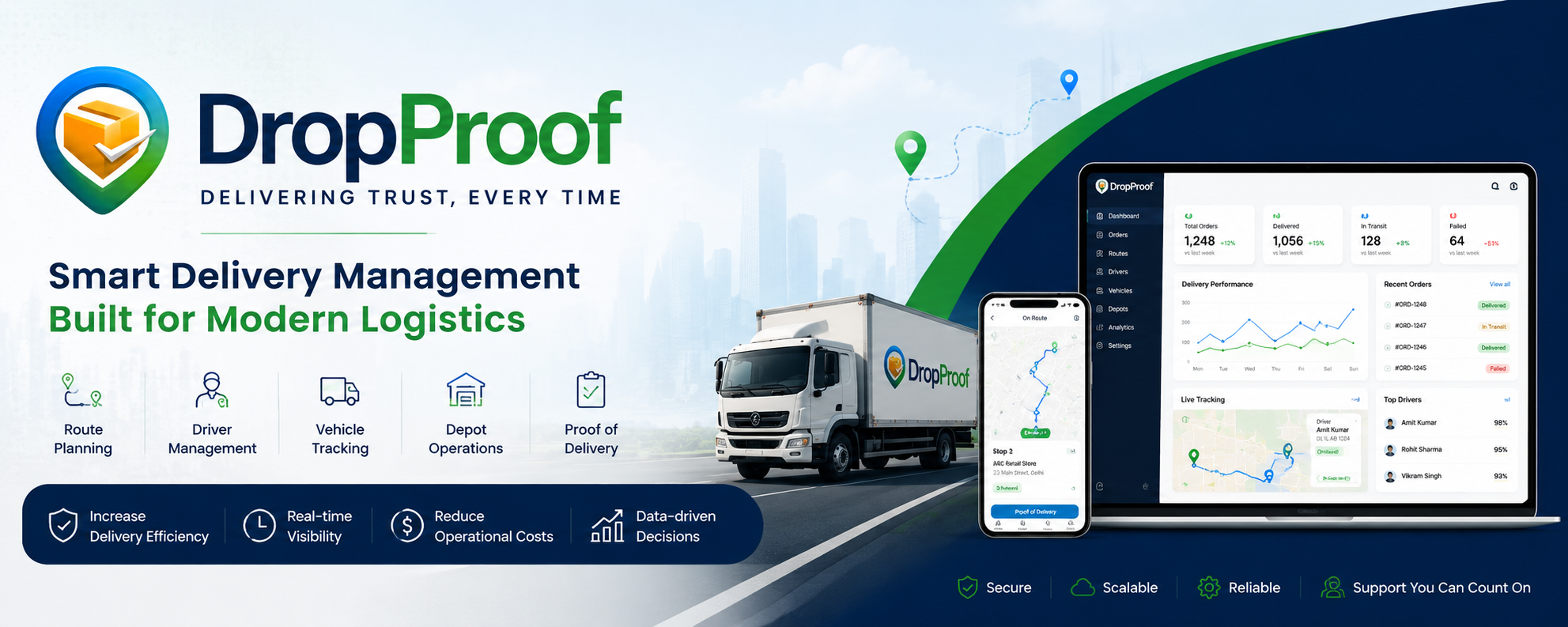
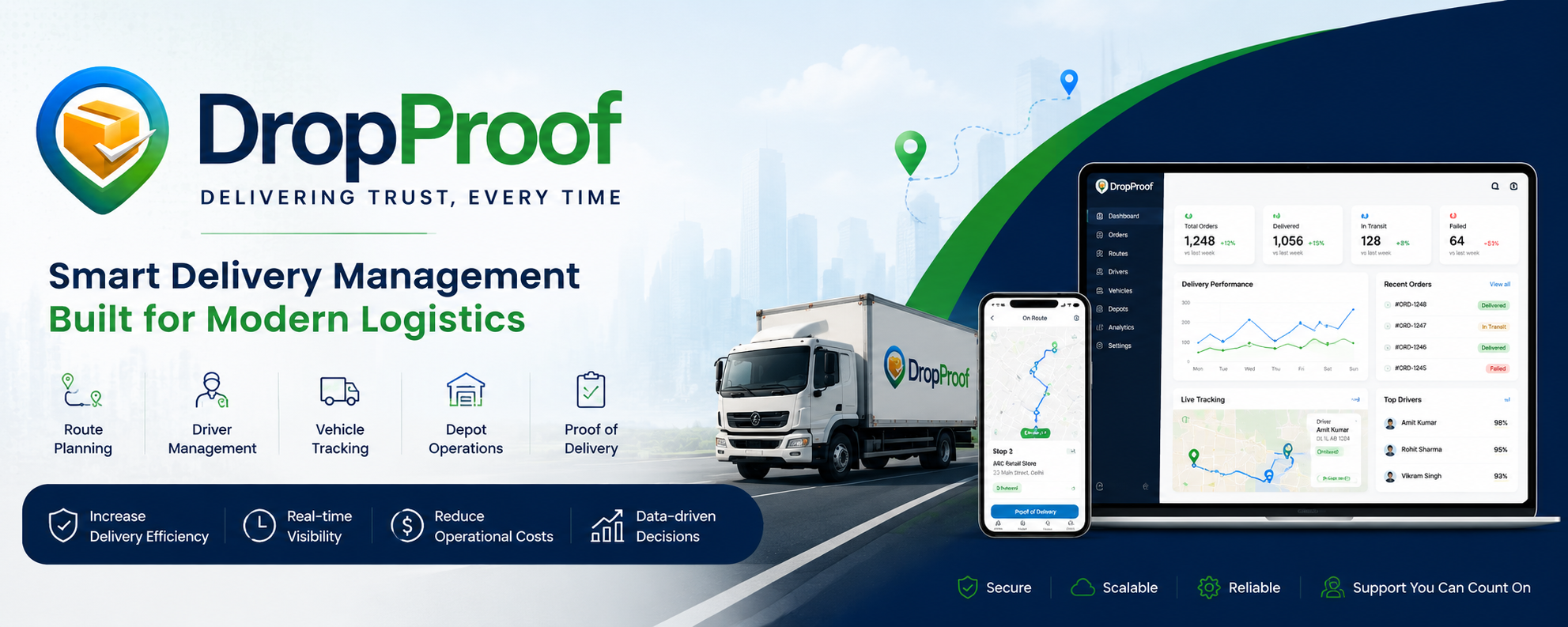
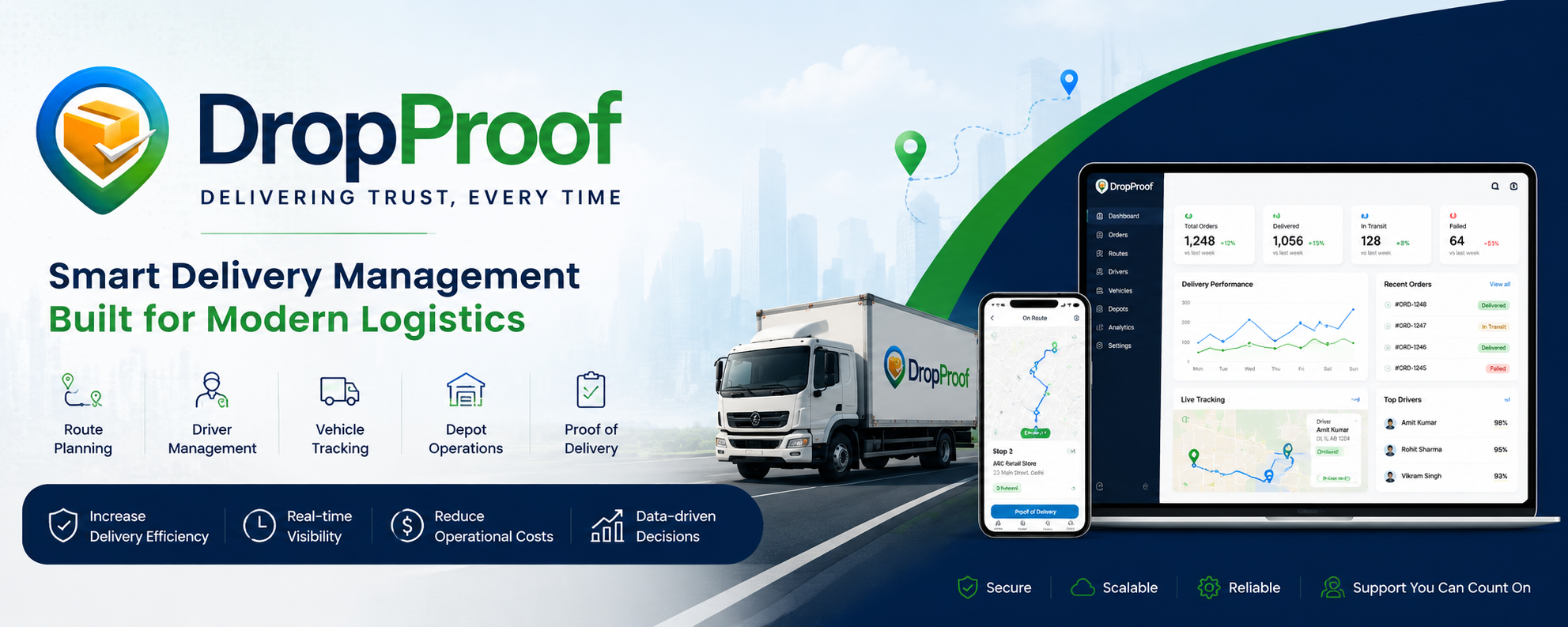
DropProof brings core delivery operations into one platform, including orders, route planning, drivers, vehicles, depots, tracking, and proof of delivery.
Businesses can manage the delivery lifecycle from planning through completion without building a delivery platform from scratch.
DropProof features include:
- Order management
- Route planning
- Driver management
- Vehicle management
- Depot management
- Real-time tracking
- Digital proof of delivery
- Delivery photos
- Digital signatures
- GPS-based delivery verification
- Delivery reporting
- API integrations
Why consider DropProof?
If your primary requirement is to manage the complete delivery workflow rather than only one part of it, DropProof provides a broader operational approach.
2. Tookan
Best for: Businesses looking for configurable field-service and delivery management.
Tookan provides tools for managing delivery and field-service operations, including task assignment, driver management, tracking, and dispatch.
It can be worth evaluating for businesses that need configurable workflows across different types of field operations.
3. Track-POD
Best for: Businesses focused heavily on digital proof of delivery.
Track-POD focuses strongly on electronic proof of delivery and delivery management.
Businesses can use POD features such as signatures, photos, and delivery documentation.
If your primary requirement is replacing paper-based POD processes, Track-POD can be an option to evaluate.
4. Routific
Best for: Businesses focused on route optimization.
Routific focuses primarily on route planning and optimization for delivery fleets.
It can be useful when optimizing multi-stop delivery routes is the primary operational requirement.
Businesses looking for a broader delivery-management system should compare its capabilities against their complete workflow requirements.
5. Locus
Best for: Larger logistics operations requiring advanced optimization.
Locus provides technology for logistics and last-mile operations, with a strong focus on route optimization and logistics intelligence.
It can be particularly relevant for organizations with more complex logistics requirements.
6. FarEye
Best for: Enterprise logistics and last-mile operations.
FarEye provides logistics technology focused on areas such as delivery orchestration, visibility, and optimization.
Businesses operating at enterprise scale may consider FarEye when evaluating broader logistics-management platforms.
7. LogiNext
Best for: Businesses managing complex delivery and fleet operations.
LogiNext provides logistics-management capabilities covering areas such as route optimization, fleet management, and delivery operations.
It is another option for businesses comparing enterprise-oriented logistics platforms.
Onfleet Alternatives Comparison
| Platform | Best For | Route Planning | Driver Management | Tracking | POD |
|---|---|---|---|---|---|
| DropProof | Complete delivery operations | ✅ | ✅ | ✅ | ✅ |
| Onfleet | Last-mile delivery | ✅ | ✅ | ✅ | ✅ |
| Tookan | Delivery & field service | ✅ | ✅ | ✅ | ✅ |
| Track-POD | Digital POD | ✅ | ✅ | ✅ | ✅ |
| Routific | Route optimization | ✅ | — | — | — |
| Locus | Logistics optimization | ✅ | ✅ | ✅ | ✅ |
| FarEye | Enterprise last-mile | ✅ | ✅ | ✅ | ✅ |
| LogiNext | Logistics optimization | ✅ | ✅ | ✅ | ✅ |
Feature availability can vary by plan and configuration. Verify current capabilities with each provider before making a purchasing decision.
DropProof vs Onfleet
The biggest difference to evaluate is how each platform fits your overall delivery workflow.
If you're primarily looking for a last-mile delivery platform, Onfleet is one option worth evaluating.
If you need a broader operational workflow covering:
Orders → Routes → Drivers → Vehicles → Depots → Tracking → POD
DropProof is designed around this complete delivery lifecycle.
What Should You Look for in an Onfleet Alternative?
Before switching platforms, consider these questions:
1. Does it support your delivery workflow?
Your platform should fit the way your team actually operates.
2. Can you manage your drivers?
Driver assignment, availability, routes, and delivery status should be easy to manage.
3. Does it provide real-time tracking?
Your operations team should be able to see delivery progress.
4. Does it support digital POD?
Look for capabilities such as:
- Signatures
- Photos
- GPS
- Delivery notes
- Timestamps
5. Can it integrate with your existing systems?
Check API and integration capabilities before migrating.
6. Can it scale?
The platform should continue to work as your order volume and fleet grow.
Which Onfleet Alternative Is Right for You?
There isn't one solution that is perfect for every business.
Choose DropProof if you want an integrated delivery-management platform covering orders, routes, drivers, vehicles, depots, tracking, and POD.
Choose Track-POD if digital proof of delivery is your primary requirement.
Choose Routific if route optimization is your primary focus.
Choose Locus, FarEye, or LogiNext if you're evaluating enterprise-oriented logistics and optimization platforms.
Choose Tookan if you're looking for configurable delivery and field-service workflows.
Final Thoughts
The best Onfleet alternative depends on what your business actually needs.
Instead of comparing software based only on feature checklists, evaluate the entire delivery workflow:
Order → Plan → Assign → Track → Deliver → Verify
A platform that brings these processes together can help reduce operational complexity and give delivery teams a more centralized way to manage their operations.
If you're evaluating alternatives to Onfleet, DropProof is worth considering as an integrated delivery-management option for growing logistics and delivery businesses.
Ready to simplify your delivery operations?
Explore DropProof or book a demo to see how it fits your workflow.