LogiNext Alternatives: 7 Best Delivery & Logistics Management Software in 2026
Managing a growing delivery operation requires more than simply assigning orders to drivers. Businesses need to plan routes, manage drivers and vehicles, monitor deliveries, handle exceptions, and collect reliable proof of delivery.
LogiNext is a logistics technology platform focused on areas such as route optimization, last-mile delivery, fleet management, and logistics operations.
However, LogiNext may not be the ideal solution for every business.
Depending on your fleet size, delivery model, operational requirements, integrations, and budget, you may want to evaluate other platforms.
In this guide, we'll look at 7 LogiNext alternatives worth considering in 2026.
Why Look for LogiNext Alternatives?
Businesses may evaluate alternatives to LogiNext for different reasons.
You may be looking for:
- A simpler delivery-management platform
- A more focused driver workflow
- Integrated digital proof of delivery
- Vehicle and depot management
- Different pricing options
- Faster implementation
- Specific integrations
- A platform designed for growing delivery fleets
- A more centralized delivery workflow
The right alternative depends on what your business actually needs.
7 Best LogiNext Alternatives
1. DropProof
Best for: End-to-end delivery management.
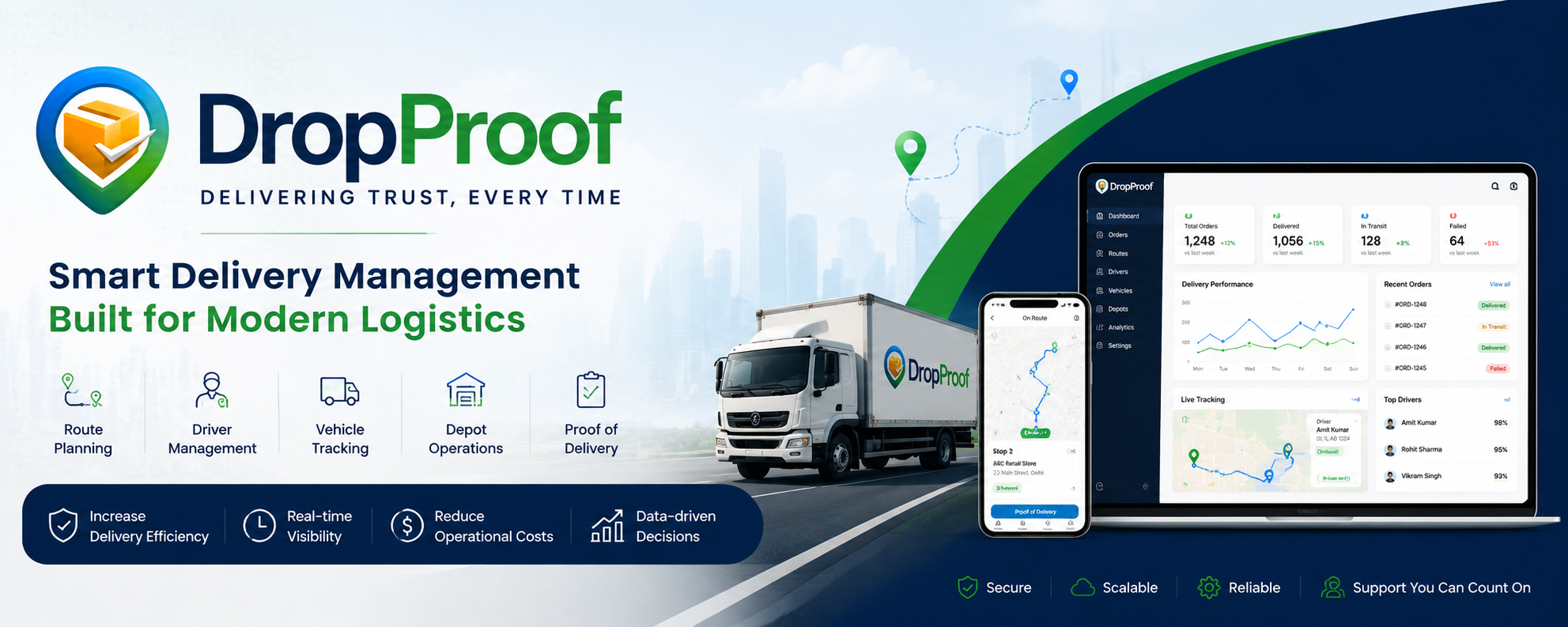
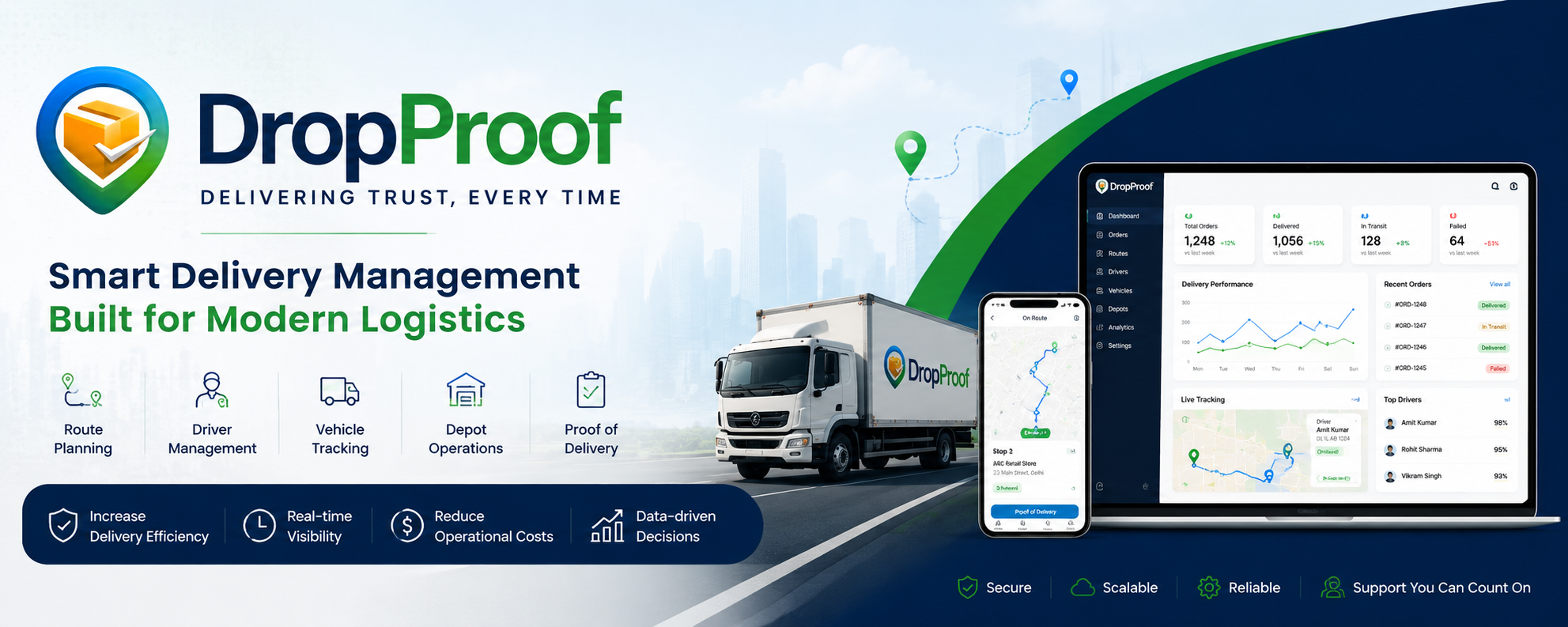
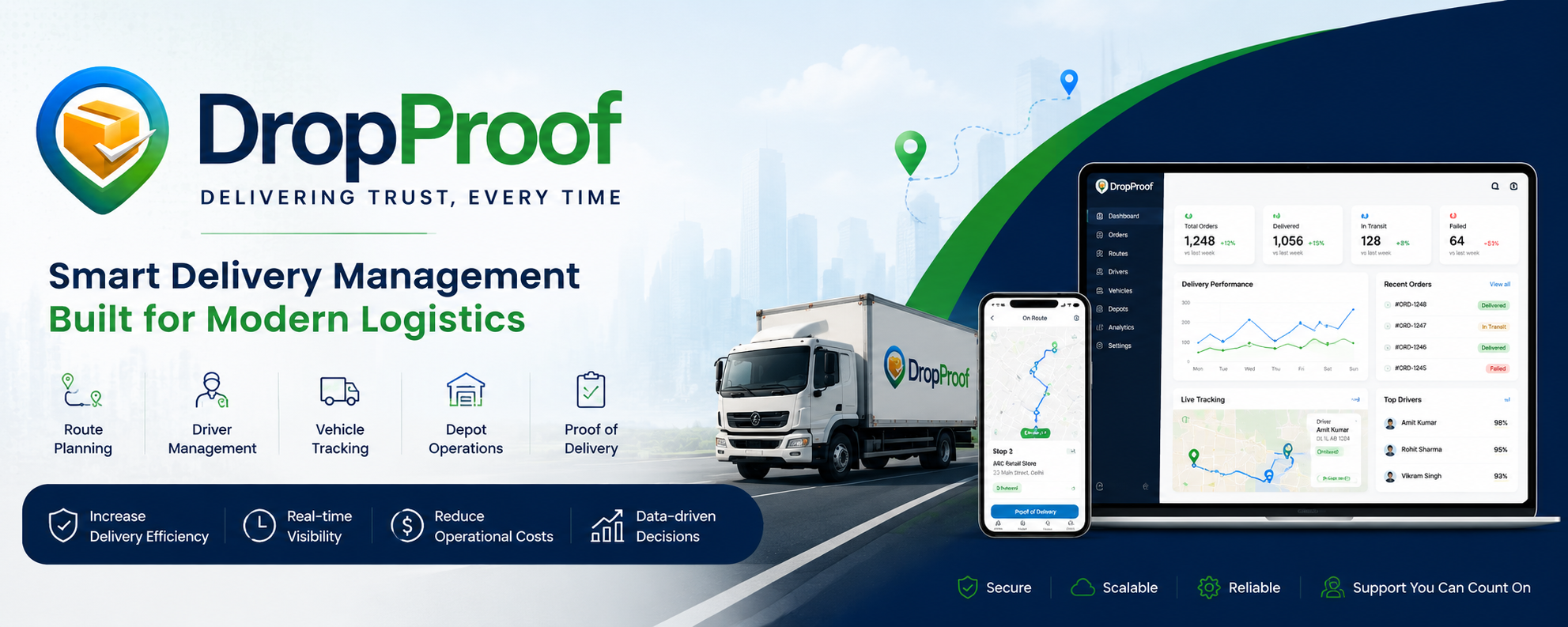
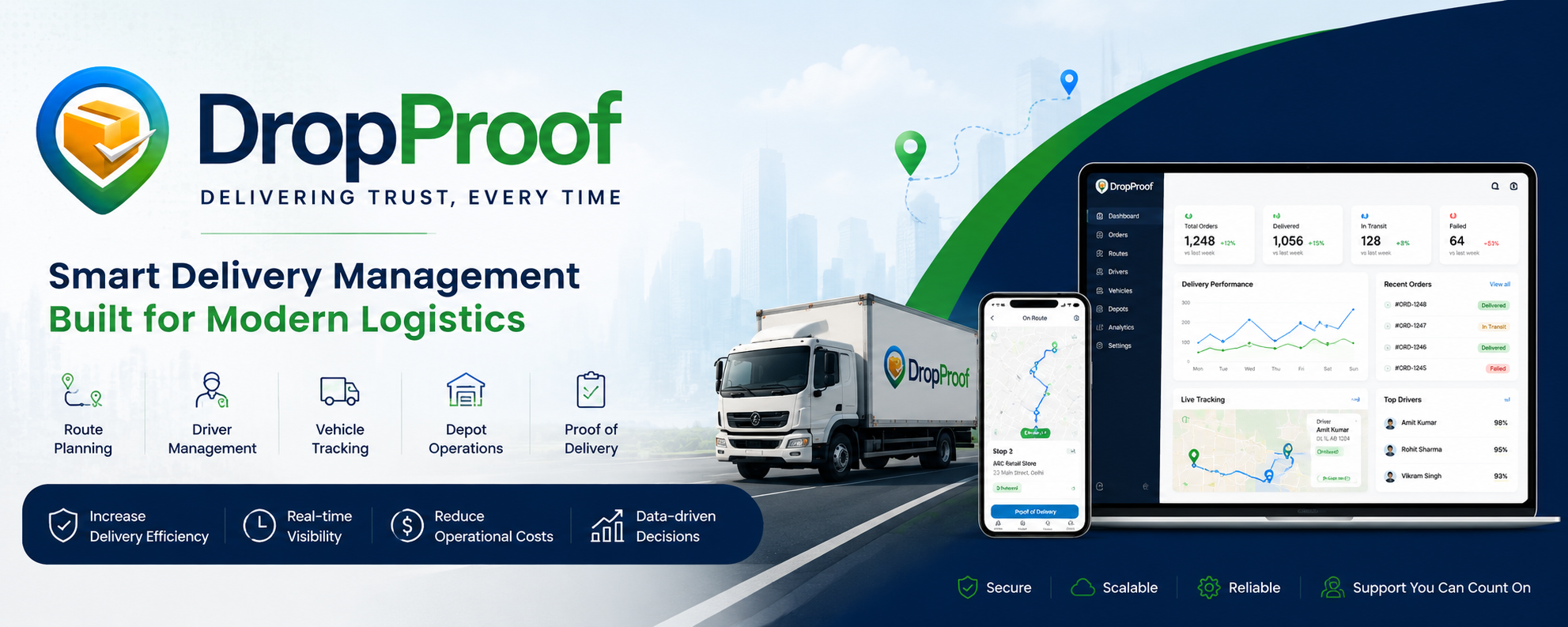
DropProof is designed to centralize the delivery workflow in one platform.
It brings together:
- Order management
- Route planning
- Driver management
- Vehicle management
- Depot management
- Real-time tracking
- Delivery execution
- Digital proof of delivery
- Delivery photos
- Digital signatures
- GPS verification
- Reporting
- API integrations
The workflow can be managed through:
Order → Route → Driver → Track → Deliver → Verify
Why consider DropProof?
If your business needs more than route optimization, DropProof connects orders, routes, drivers, vehicles, tracking, and proof of delivery into one operational workflow.
2. Locus
Best for: Route optimization and logistics operations.
Locus focuses on logistics technology and route optimization, with capabilities around planning, dispatch, and last-mile execution.
It can be a relevant option for businesses managing complex delivery networks and looking for advanced logistics optimization.
3. Shipsy
Best for: Logistics orchestration.
Shipsy provides technology for logistics and transportation operations, including areas such as route planning, tracking, and logistics orchestration.
It can be considered by businesses looking for a broader logistics-management platform.
4. FarEye
Best for: Enterprise logistics and last-mile operations.
FarEye provides logistics technology focused on delivery orchestration, visibility, and transportation operations.
It can be relevant for larger organizations with more complex logistics requirements.
5. Onfleet
Best for: Last-mile delivery management.
Onfleet provides tools for dispatching, route management, driver tracking, customer communication, and delivery operations.
It's worth considering for businesses looking for a dedicated last-mile delivery platform.
6. Routific
Best for: Route planning and optimization.
Routific focuses primarily on route planning and optimization for delivery businesses.
It can be useful when route efficiency is the main operational priority.
7. DispatchTrack
Best for: Scheduled and complex deliveries.
DispatchTrack focuses on last-mile delivery management and scheduled delivery workflows.
It can be relevant for businesses managing scheduled, multi-stop, or more complex delivery operations.
LogiNext Alternatives Comparison
| Platform | Best For | Route Planning | Driver Management | Tracking | Digital POD |
|---|---|---|---|---|---|
| DropProof | End-to-end delivery management | ✅ | ✅ | ✅ | ✅ |
| LogiNext | Logistics & route optimization | ✅ | ✅ | ✅ | ✅ |
| Locus | Logistics optimization | ✅ | ✅ | ✅ | ✅ |
| Shipsy | Logistics orchestration | ✅ | ✅ | ✅ | ✅ |
| FarEye | Enterprise logistics | ✅ | ✅ | ✅ | ✅ |
| Onfleet | Last-mile delivery | ✅ | ✅ | ✅ | ✅ |
| Routific | Route optimization | ✅ | ⚠️ | ⚠️ | ⚠️ |
| DispatchTrack | Scheduled delivery | ✅ | ✅ | ✅ | ✅ |
Capabilities can vary by plan, configuration, and product version. Verify current functionality directly with each provider.
DropProof vs LogiNext
When comparing DropProof with LogiNext, consider the overall scope of your delivery requirements.
LogiNext focuses on logistics and delivery optimization.
DropProof focuses on the operational delivery workflow:
Orders → Routes → Drivers → Vehicles → Depots → Tracking → Delivery → POD
This makes DropProof relevant for businesses that want a centralized delivery-management platform covering the complete process from order assignment to delivery verification.
Route Optimization vs Delivery Management
Route optimization and delivery management are related, but they aren't the same thing.
Route Optimization
The primary question is:
"What is the most efficient route for these deliveries?"
This can involve factors such as:
- Distance
- Delivery windows
- Driver availability
- Vehicle capacity
- Stop sequence
- Traffic
- Delivery constraints
Delivery Management
The broader question is:
"How do we manage the delivery operation from beginning to end?"
That can include:
Orders → Routes → Drivers → Tracking → Delivery → POD
When evaluating LogiNext alternatives, make sure you're comparing the capabilities that actually matter to your operation.
What Should You Look for in a LogiNext Alternative?
1. Order Management
Can your team create, import, assign, and manage delivery orders?
2. Route Planning
Can dispatchers create routes and organize multiple delivery stops?
3. Driver Management
Can you manage driver profiles, availability, assignments, and delivery activity?
4. Vehicle Management
If you operate your own fleet, check whether vehicles can be managed within the platform.
5. Depot Management
Multiple operating locations may require dedicated depot-level workflows.
6. Real-Time Tracking
Can your team monitor active drivers and delivery progress?
7. Digital Proof of Delivery
Look for:
- Digital signatures
- Delivery photos
- GPS verification
- Delivery notes
- Timestamps
8. Integrations
Check whether the platform can connect with your:
- ERP
- WMS
- CRM
- eCommerce platform
- Order-management system
9. Reporting
Make sure you can measure:
- Delivery performance
- Driver performance
- Route performance
- Failed deliveries
- POD completion
When Should You Consider a LogiNext Alternative?
You may want to evaluate alternatives if:
- Your operation doesn't require a large logistics platform
- You want a simpler delivery workflow
- You need dedicated vehicle management
- You operate multiple depots
- You want integrated digital POD
- You need a dedicated driver experience
- You're looking for faster implementation
- You have specific integration requirements
- You want to compare different pricing models
LogiNext Alternatives for Different Business Needs
Best for End-to-End Delivery Management
DropProof
Useful when you want orders, routes, drivers, vehicles, tracking, and POD connected in one workflow.
Best for Logistics Optimization
Locus
Relevant when route optimization and logistics planning are major priorities.
Best for Logistics Orchestration
Shipsy
Useful for businesses evaluating broader logistics-management capabilities.
Best for Enterprise Logistics
FarEye
Relevant for larger and more complex transportation operations.
Best for Last-Mile Delivery
Onfleet
Useful for businesses focused on last-mile dispatch and delivery.
Best for Route Optimization
Routific
Relevant when route planning is the primary requirement.
Best for Scheduled Delivery
DispatchTrack
Useful for businesses managing scheduled or complex delivery operations.
Moving Away From Manual Delivery Processes
Some businesses searching for a LogiNext alternative aren't currently using another logistics platform.
They may still rely on:
- Excel
- Google Sheets
- Phone calls
- Paper POD
- Manual route planning
- Driver group chats
For these businesses, the objective isn't simply to replace one logistics platform.
It's to move from fragmented processes to a centralized delivery workflow.
DropProof can bring:
Orders → Routes → Drivers → Tracking → Delivery → POD
into one platform.
Who Is DropProof Best For?
🚚 Logistics Companies
Manage routes, drivers, vehicles, tracking, and proof of delivery.
📦 Distribution Businesses
Connect orders directly with delivery execution.
🛒 E-commerce Delivery Teams
Manage last-mile deliveries and digital proof.
🏭 FMCG & Wholesale Businesses
Coordinate orders, routes, drivers, and multiple delivery locations.
🚛 Growing Delivery Fleets
Replace spreadsheets and manual processes with centralized delivery management.
Which LogiNext Alternative Should You Choose?
Choose DropProof if you need:
- Order management
- Route planning
- Driver management
- Vehicle management
- Depot management
- Real-time tracking
- Delivery execution
- Digital POD
- Delivery photos
- Digital signatures
- GPS verification
- Reporting
- API integrations
Choose Locus if:
Advanced route optimization and logistics planning are your primary requirements.
Choose Shipsy if:
You need broader logistics orchestration.
Choose FarEye if:
You're evaluating enterprise-level logistics and transportation capabilities.
Choose Onfleet if:
Your focus is dedicated last-mile delivery management.
Choose Routific if:
Route optimization is your main priority.
Choose DispatchTrack if:
Your business relies heavily on scheduled deliveries.
Final Thoughts
LogiNext can be a strong option for businesses looking for logistics and delivery optimization capabilities.
But the best LogiNext alternative depends on the size and complexity of your operation.
If your main requirement is to manage the complete delivery workflow:
Order → Plan → Assign → Track → Deliver → Verify
then DropProof is worth evaluating.
Rather than focusing only on route optimization, DropProof connects the operational components around delivery, including orders, routes, drivers, vehicles, tracking, and digital proof of delivery.
Ready to simplify your delivery operations?
Plan smarter. Manage drivers. Track deliveries. Capture digital proof.
Explore DropProof → Book a Demo