10 Benefits of Using a Transport Management Solution for Logistics Companies
The logistics industry depends on efficient transportation, accurate delivery planning, and reliable shipment coordination. As customer expectations increase and delivery networks become more complex, logistics companies need better ways to manage vehicles, drivers, routes, and shipments.
Traditional transportation processes often involve spreadsheets, phone calls, paper records, and disconnected software. These methods can work for smaller operations, but they become increasingly difficult to manage as shipment volumes grow.
A Transport Management Solution helps logistics companies organize transportation activities through a centralized digital platform. It can improve shipment visibility, simplify dispatch operations, support route planning, and provide useful insights into transportation performance.
Whether you operate a delivery fleet, manage a third-party logistics business, or coordinate transportation across multiple cities, the right transport management software can help you improve operational efficiency.
In this guide, we explore 10 important benefits of using a transport management solution and explain how logistics companies can use these capabilities to improve their daily operations.
What Is a Transport Management Solution?
A Transport Management Solution is software that helps businesses plan, execute, monitor, and optimize transportation activities.
It can bring shipment management, vehicle allocation, driver coordination, route planning, delivery tracking, and transportation reporting into a centralized system.
Instead of managing transportation information across multiple spreadsheets and communication channels, logistics teams can access relevant operational information through a single platform.
Depending on the software, common capabilities include:
-
Shipment and order management
-
Transportation planning and scheduling
-
Fleet and vehicle management
-
Driver assignment and coordination
-
Route planning and optimization
-
Shipment tracking
-
Digital proof of delivery
-
Transportation cost monitoring
-
Operational reports and analytics
The exact features available depend on the provider and the selected plan.
For logistics companies handling frequent shipments, these capabilities can provide a more structured way to coordinate transportation resources and monitor delivery performance.
10 Benefits of Using a Transport Management Solution
Here are 10 ways transport management software can help logistics companies improve their operations.
1. Reduce Transportation Costs
Transportation expenses represent a significant operating consideration for logistics companies.
Fuel, vehicle maintenance, driver payments, tolls, and third-party transportation charges can all affect profitability. When transportation activities are poorly coordinated, businesses may incur unnecessary expenses.
A transport management solution can help companies identify opportunities to control these costs.
For example, route planning capabilities can help reduce unnecessary travel, while fleet utilization reports can reveal vehicles that are frequently underused.
Transportation reports can also help managers compare costs across routes, shipments, vehicles, or operating periods.
Consider a logistics company that sends multiple vehicles to nearby delivery locations without coordinating their assignments. Better shipment planning may allow the company to distribute deliveries more efficiently and reduce avoidable mileage.
Actual savings depend on the company's routes, fleet, delivery requirements, and how effectively the software is implemented.
How it helps: Better transportation planning and cost visibility can help logistics companies make informed decisions about fuel consumption, vehicle allocation, and operating expenses.
2. Improve Route Planning and Optimization
Route planning becomes more complicated when logistics companies handle numerous deliveries across different locations.
Dispatchers must consider delivery addresses, vehicle capacity, delivery deadlines, road conditions, and driver availability. Planning every route manually can consume considerable time.
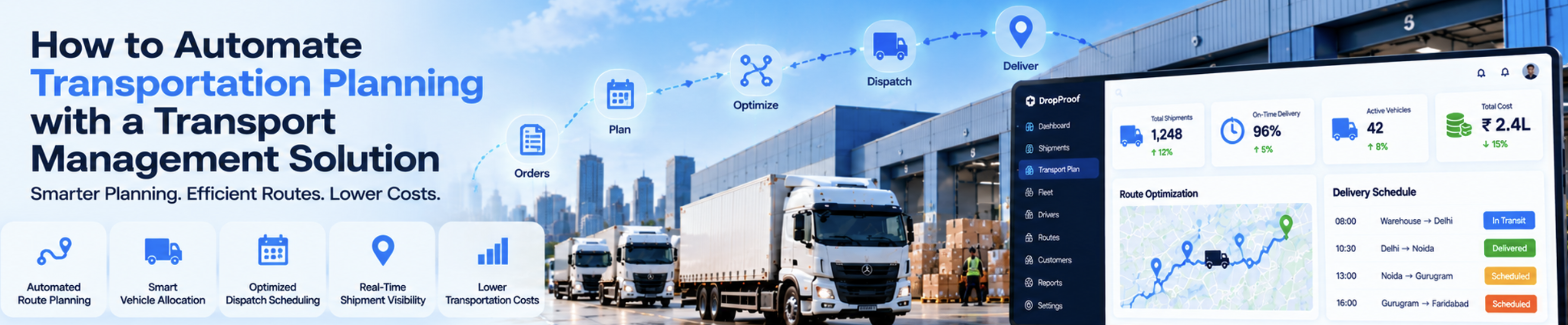
Transport planning software helps businesses organize delivery stops and create more efficient transportation plans.
Depending on the platform, route optimization capabilities may consider:
-
Distance between delivery locations
-
Number of delivery stops
-
Vehicle capacity
-
Pickup and delivery schedules
-
Delivery time windows
-
Traffic information
-
Driver availability
-
Route restrictions
For example, a company delivering goods to 50 locations within a city can use route planning tools to organize delivery sequences instead of relying entirely on manual decisions.
Better planning can reduce unnecessary distance, support more predictable delivery schedules, and help dispatchers coordinate vehicles more effectively.
However, businesses should confirm whether their chosen software supports basic route planning or advanced automated optimization, as these capabilities differ.
How it helps: Efficient routes can reduce avoidable travel, improve delivery coordination, and help businesses use their transportation resources more effectively.
3. Increase Fleet Utilization
Fleet utilization refers to how effectively a company uses its available vehicles to complete transportation activities.
Poor fleet utilization can increase operating costs. Some vehicles may remain idle while others are overloaded with assignments or travel with unused capacity.
A transport management solution can help businesses maintain better visibility into vehicle availability, shipment assignments, and transportation schedules.
Depending on the system, fleet management capabilities may include:
-
Vehicle records
-
Vehicle availability
-
Capacity information
-
Shipment assignments
-
Vehicle utilization reports
-
Maintenance scheduling
-
Transportation activity history
For example, a logistics manager may discover that certain vehicles are regularly assigned to short routes while other suitable vehicles remain unused.
By reviewing available vehicles and planned shipments together, the manager can make more informed allocation decisions.
Better fleet utilization can also help businesses determine whether they need additional vehicles or can accommodate increased shipment volumes with their existing resources.
How it helps: Improved fleet visibility supports better vehicle allocation, more balanced workloads, and more effective use of existing transportation resources.
4. Improve Delivery Speed and Reliability
Customers expect deliveries to arrive within the promised timeframe. Delays can damage business relationships, increase customer service workloads, and disrupt downstream operations.
A transport management solution helps logistics teams organize delivery schedules, coordinate dispatch activities, and monitor shipment progress.
When the system supports shipment tracking and delivery alerts, managers can identify potential delays and respond before problems become more serious.
For example, if a delivery vehicle experiences a delay, the operations team may be able to update the expected arrival time, inform the customer, or reorganize subsequent deliveries.
A centralized system can also make it easier to identify recurring delays associated with specific routes, locations, or operational processes.
Although software cannot eliminate every transportation disruption, it can give logistics teams better information for managing unexpected situations.
How it helps: Better planning and shipment visibility can support more reliable delivery schedules and faster responses to transportation problems.
5. Gain Better Shipment Visibility
Shipment visibility is essential for logistics companies managing multiple deliveries and transportation partners.
When shipment information is scattered across spreadsheets, calls, emails, and messaging applications, it can be difficult to determine the current status of an order.
A transport management solution can centralize shipment information and make status updates easier to access.
Depending on its capabilities, the platform may support:
-
Shipment status monitoring
-
GPS-based vehicle tracking
-
Dispatch status updates
-
Estimated arrival times
-
Delivery notifications
-
Delay identification
-
Delivery history
For example, a logistics manager handling deliveries across several cities can use centralized shipment records to check which consignments are awaiting dispatch, in transit, or marked as delivered.
Customer service teams may also be able to retrieve delivery information more quickly when customers ask about their shipments.
It is important to distinguish between manual status updates and GPS-based tracking. Businesses requiring live vehicle locations should confirm that the software supports the necessary tracking integrations.
How it helps: Centralized shipment information improves operational visibility and helps teams respond to delivery-related questions more efficiently.
6. Reduce Manual Work and Administrative Errors
Many logistics operations still depend on repetitive administrative activities.
Employees may manually enter shipment details, update delivery spreadsheets, prepare reports, communicate assignments, and maintain paper-based delivery records.
These tasks consume time and can introduce errors when information is entered incorrectly or updated inconsistently.
Transport management software can help standardize these workflows and reduce unnecessary manual work.
For example, digital shipment records can make delivery information easier to retrieve, while automated status updates can reduce the need for repeated follow-up calls.
Depending on the platform, businesses may also benefit from:
-
Centralized shipment records
-
Digital delivery documentation
-
Automated notifications
-
Standardized dispatch workflows
-
Report generation
-
System integrations
Reducing repetitive work allows employees to focus on exception handling, customer communication, and operational improvements.
However, automation depends on the capabilities of the selected software and how well it integrates with existing business processes.
How it helps: Digital workflows can reduce administrative effort, improve information consistency, and make transportation processes easier to manage.
7. Improve Driver Coordination and Accountability
Drivers play a critical role in transportation operations. They need accurate delivery instructions, clear assignments, and a reliable way to communicate delivery progress.
Without a structured system, dispatchers may need to contact drivers repeatedly to confirm shipment status or communicate changes.
A transport management solution can help businesses organize driver assignments and coordinate delivery activities.
Depending on the platform, available capabilities may include:
-
Driver profiles and assignments
-
Delivery instructions
-
Mobile access to shipment details
-
Delivery status updates
-
Digital proof of delivery
-
Communication with dispatch teams
-
Driver performance reporting
For example, a dispatcher can assign a delivery and ensure the driver has access to the relevant shipment information.
Once the delivery is completed, the driver may record the outcome digitally, allowing the operations team to update the shipment record.
Clear assignment records and delivery timestamps can also help managers investigate delays and resolve delivery disputes.
How it helps: Better coordination supports clearer responsibilities, more consistent delivery processes, and improved communication between drivers and dispatch teams.
8. Strengthen Customer Satisfaction
Customer satisfaction is closely connected to delivery reliability, communication, and access to accurate shipment information.
Customers may become frustrated when delivery schedules are unclear or when businesses cannot provide timely updates about their orders.
A transport management solution can help logistics companies improve customer service by organizing shipment records and supporting more consistent delivery communication.
Depending on the software, businesses may be able to provide:
-
Shipment status updates
-
Estimated delivery information
-
Delivery confirmation
-
Digital proof of delivery
-
Delivery history
-
Customer-facing tracking links
For example, when a customer asks whether a shipment has been delivered, the support team can consult the centralized shipment record rather than contacting multiple employees.
Businesses can also use delivery performance reports to identify recurring service issues and improve their processes.
A transport management system does not automatically guarantee customer satisfaction, but reliable information and better delivery coordination can contribute to a stronger customer experience.
How it helps: Improved shipment visibility and delivery communication can reduce uncertainty and support more responsive customer service.
9. Make Better Decisions With Transportation Analytics
Logistics companies generate operational data every day, including shipment volumes, delivery times, vehicle assignments, and transportation expenses.
When this information is organized properly, it can help managers identify inefficiencies and make better decisions.
A transport management solution can consolidate relevant operational information into reports and dashboards.
Useful performance indicators may include:
-
On-time delivery rate
-
Cost per shipment
-
Vehicle utilization
-
Average delivery time
-
Failed delivery rate
-
Distance travelled
-
Shipment completion rate
-
Transportation expenses
For example, a company may notice that deliveries to a particular area frequently miss their scheduled arrival times.
By examining route information, shipment volumes, and delivery records, the operations team can investigate whether the issue is related to route planning, scheduling, or another operational constraint.
Analytics can also help managers compare performance across locations and evaluate whether changes to transportation processes are producing measurable improvements.
How it helps: Reliable operational data enables logistics managers to identify patterns, monitor performance, and make evidence-based decisions.
10. Support Business Growth and Scalability
As logistics companies grow, their transportation operations become more complex.
They may add vehicles, hire drivers, expand into new cities, onboard additional customers, and manage larger shipment volumes.
Manual processes that worked for a small operation may become difficult to maintain at a larger scale.
A transport management solution can help businesses establish consistent workflows and organize transportation information as operations expand.
Depending on the platform, businesses may be able to manage:
-
Additional vehicles and drivers
-
Higher shipment volumes
-
Multiple operating locations
-
Different customer accounts
-
Expanded delivery networks
-
Additional users and roles
-
More detailed operational reporting
For example, a logistics company expanding from one city to several cities may benefit from a centralized system that helps managers maintain visibility into transportation activities across locations.
Scalability also depends on software capacity, subscription limits, integrations, and implementation quality.
Businesses should review these factors before choosing a platform.
How it helps: A scalable transportation management system can provide a stronger foundation for managing larger operations without relying entirely on additional manual administration.
Additional Benefits of Modern Transport Management Software
Beyond these 10 major benefits, some platforms provide additional capabilities that may be useful for specific logistics operations.
Digital Proof of Delivery
Digital proof of delivery can replace paper-based records with electronic evidence of completed shipments.
Depending on the system, this may include recipient signatures, photographs, timestamps, and delivery confirmations.
These records can make it easier to investigate disputes and retrieve delivery information.
Improved Coordination Across Departments
Transportation operations often involve dispatchers, warehouse employees, customer service teams, drivers, and finance departments.
A centralized platform can help relevant teams access consistent shipment information and coordinate their activities more effectively.
Easier Transportation Performance Monitoring
Standardized reports allow managers to monitor performance over time and evaluate whether changes to routes, scheduling, or vehicle allocation are delivering the expected results.
More Organized Business Records
Digital transportation records can improve access to shipment histories, delivery confirmations, and operational information.
This can simplify reporting and support internal reviews.
The value of these capabilities depends on your operational requirements and the features available in your selected platform.
How to Choose the Right Transport Management Solution for Your Logistics Company
Understanding the benefits of transport management software is only the first step. Businesses must also select a platform that fits their actual requirements.
Consider the following factors before making a decision.
1. Identify Your Main Operational Challenges
Determine whether your biggest problems involve transportation costs, delivery delays, fleet utilization, shipment visibility, or administrative work.
Prioritize the capabilities that directly address these challenges.
2. Evaluate Essential Features
Check whether the platform supports shipment management, dispatch planning, fleet management, route planning, tracking, and reporting as required.
Confirm whether advanced capabilities are included or require additional modules.
3. Consider Ease of Use
Evaluate the experience of dispatchers, managers, and drivers.
Software should simplify daily activities rather than introduce unnecessary complexity.
4. Check Integration Options
Confirm that the platform can integrate with the business systems you already use.
Review API availability, implementation requirements, and any additional integration costs.
5. Compare Pricing and Value
Evaluate subscription fees, user limits, vehicle limits, implementation charges, support costs, and optional features.
Compare the total cost of ownership with the operational improvements you realistically expect.
6. Review Reporting and Scalability
Ensure the system can provide the reports your managers need and accommodate your expected growth.
7. Request a Demonstration
Test the software using realistic transportation scenarios.
Ask the provider to demonstrate shipment creation, vehicle assignment, dispatch, delivery updates, proof of delivery, and reporting.
This helps you determine whether the platform fits your existing workflow.
How DropProof Can Support Logistics and Delivery Operations
Logistics businesses looking to improve transportation coordination should evaluate platforms that help organize shipment information and delivery workflows.
DropProof is a logistics and delivery management platform that businesses can consider when assessing their transportation software requirements.
When evaluating DropProof or any other platform, identify the specific capabilities your company needs, such as shipment management, delivery coordination, operational visibility, and reporting.
You can explore the available transportation solution on the DropProof website:
https://dropproof.app/transport-management
Review the available features and confirm that they match your operational requirements before selecting a solution.
The objective is to choose software that helps your team manage transportation more efficiently while supporting your company's long-term growth.
Frequently Asked Questions
1. What are the main benefits of a transport management solution?
The main benefits include better transportation planning, improved fleet utilization, more efficient route management, increased shipment visibility, reduced manual work, and improved operational reporting. Actual results depend on the software and how effectively it is used.
2. How does transport management software help logistics companies?
Transport management software helps logistics companies organize shipments, coordinate drivers, plan transportation activities, monitor delivery progress, and maintain operational records through a centralized system.
3. Can a transport management solution reduce fuel costs?
It can help identify opportunities to reduce unnecessary mileage through route planning and better vehicle allocation. Actual fuel savings depend on operating conditions, route quality, vehicle characteristics, and implementation.
4. Does transport management software improve fleet utilization?
Yes, it can help managers understand vehicle availability, capacity, and assignment patterns. This information supports better resource allocation and helps identify underused vehicles.
5. Is a transport management solution suitable for small logistics companies?
Yes. Small logistics companies can benefit from organized shipment records, digital delivery workflows, and better transportation coordination. The software should match their operational needs and budget.
6. What is the difference between transport management software and fleet management software?
Transport management software generally focuses on planning and executing transportation activities, while fleet management software focuses on vehicles, maintenance, utilization, and fleet-related operations. Some platforms provide both sets of capabilities.
7. How does a Transportation Management System improve delivery performance?
A Transportation Management System can improve delivery performance by helping businesses organize schedules, plan routes, monitor shipment status, and identify delays. Results depend on the system's capabilities and operational processes.
8. Can transport management software track deliveries in real time?
Some platforms support GPS-based vehicle tracking and live shipment visibility, while others rely on manually entered status updates or driver-reported information. Businesses should confirm the tracking capabilities available before purchasing.
9. What KPIs should logistics companies monitor?
Common indicators include on-time delivery rate, cost per shipment, vehicle utilization, average delivery time, failed delivery rate, and shipment completion rate. Companies should select KPIs that align with their operational objectives.
10. How do I choose the best transport management solution?
Evaluate your business requirements, essential features, pricing, integrations, ease of use, reporting, security, scalability, and vendor support. Test the software using realistic transportation scenarios before making a final decision.
Conclusion
A transport management solution can help logistics companies organize transportation activities, improve operational visibility, and make better use of their resources.
From reducing unnecessary mileage and improving fleet utilization to simplifying delivery coordination and strengthening customer communication, the right software can support several important areas of logistics operations.
However, the benefits depend on selecting a suitable platform, maintaining accurate operational data, and ensuring that employees use the system effectively.
Start by identifying your biggest transportation challenges, prioritize the features that address them, and evaluate potential solutions through practical demonstrations.
With the right transport management software, logistics companies can build more organized transportation workflows and create a stronger foundation for sustainable business growth.